

Five years back, Abdul Razaq Khan, a former interpreter and assistant for Canadian media during the Afghan conflict, received a late-night message from one of the journalists he had guided through the tumultuous streets of Kandahar. At that time, he was residing in Kabul, having moved there after the Canadian retreat from Afghanistan to work at USAID.
In the summer of 2021, as the Taliban approached Kabul, Khan exchanged messages expressing concern about the unfolding situation. Reflecting on the events that led to the rapid downfall of the western-supported government, Khan, now settled in Canada, continues to grapple with the loss of his job, home, and homeland.
Forced to depart Afghanistan, Khan recounts the heart-wrenching experience of leaving his country behind, emphasizing that such a decision is never made joyfully. Fortunately, he managed to escape on foot, crossing into Pakistan just before Kabul fell to the Taliban, given that his association with Canadian media had put him in danger.
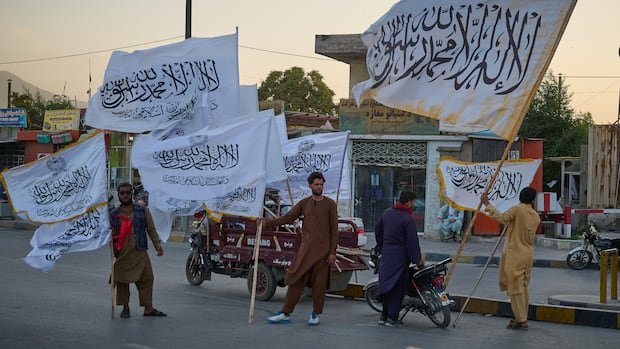
Like many Afghans who worked for journalists, as well as western military and aid groups, Khan faced threats due to his role. The Taliban’s resurgence not only uprooted hundreds of thousands of Afghans but also resulted in the systematic suppression of women, media censorship, and the imposition of strict moral codes.
The situation for Afghan women has been particularly dire, with reports from organizations like The Zan Times highlighting a surge in violence against women and a lack of justice. The group’s investigations reveal a concerning trend of minimal accountability for crimes against women, often disguised as suicides to evade responsibility.
Despite the challenges, efforts were made by various countries to provide humanitarian visas and resettlement programs for high-risk Afghan women, including judges, activists, and journalists. However, reports indicate shortcomings in the evacuation and resettlement processes, underscoring the complexities involved in safeguarding Afghan allies.
In Canada’s case, over 60,000 vulnerable Afghans, including interpreters and their families, were admitted following the Taliban’s takeover, surpassing the initial target of 40,000 set by the government. While progress has been made in resettling Afghan allies, there remains a pressing need to assist those still at risk under the Taliban’s rule.
The Allied Ledger report assesses how allied nations handled the evacuation and resettlement efforts, emphasizing the importance of fulfilling commitments to those who assisted American and NATO forces. As the international community navigates this challenging chapter in history, the focus is on honoring promises made to Afghan allies and upholding humanitarian obligations.