
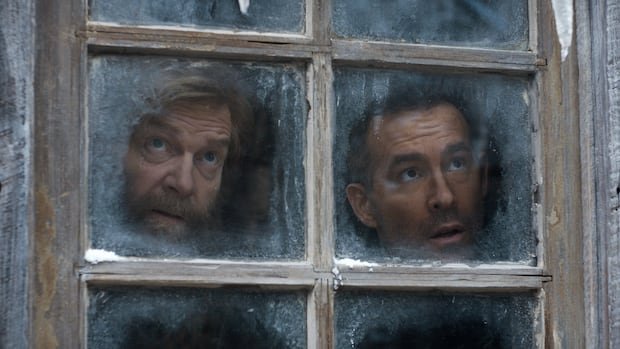

In an interesting twist, the concept of recognizing the humanity in others is explored in the movie “Mayday.” Set in the 1980s, the film portrays the story of an American pilot, Troy (played by Ryan Reynolds), who crashes in Soviet territory and is rescued by ex-KGB agent Nikolai (portrayed by Kenneth Branagh). Initially skeptical of Nikolai’s intentions, Troy slowly realizes that Nikolai’s actions are driven by empathy and altruism rather than malice.
The film challenges the stereotype of Russians as heartless villains by showcasing Nikolai as a complex and compassionate character. As the unlikely duo navigates Cold War dangers and personal struggles, the audience is reminded that people from different backgrounds can share common values and emotions.
“Mayday” combines action, comedy, and heartfelt moments, with Branagh and Reynolds delivering strong performances. The movie strikes a balance between humor and action, avoiding the trap of relying solely on Reynolds’ trademark wit seen in other films like “Deadpool.”
The directors, Jonathan Goldstein and John Francis Daley, skillfully blend intense action sequences with moments of introspection. The cinematography, characterized by long, fluid shots, mirrors Nikolai’s calm demeanor amidst chaos.
While “Mayday” may seem like a typical ’80s action flick on the surface, it subtly challenges traditional narratives of good versus evil. By portraying nuanced characters on both sides of the Cold War conflict, the film prompts viewers to question simplistic notions of heroism and villainy.
Ultimately, “Mayday” serves as a reminder that understanding and empathy can transcend political divides. It invites audiences to reconsider preconceived notions about “the enemy” and recognize the shared humanity that unites us all.