
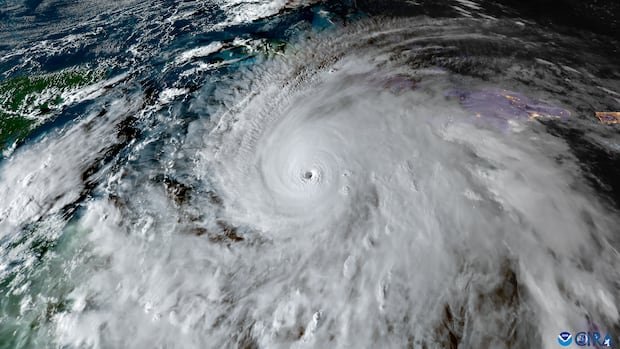

As of the latest update, the current Atlantic hurricane season has seen only six named storms, with most being short-lived. This unusual quietness can be attributed mainly to the strong El Niño event, according to Phil Klotzbach, a senior research scientist at Colorado State University.
El Niño, part of the El Niño-Southern Oscillation (ENSO) cycle, affects ocean temperatures in the central Pacific, disrupting atmospheric patterns globally. The ongoing “super” El Niño is significantly suppressing Atlantic hurricane activity.
Forecasts suggest that this El Niño event could be historic, with potential anomalies exceeding previous records set in the 1980s. The Climate Prediction Center at NOAA indicates a high likelihood of this El Niño being exceptionally strong.
While the Atlantic hurricane season has been quiet, the Pacific Ocean has experienced heightened hurricane activity due to El Niño. The formation of Tropical Storm Fay, falling just short of hurricane status, is a notable event in the Atlantic this season.
Despite the lack of hurricanes in the Atlantic, some short-lived tropical storms in the Gulf of Mexico have impacted coastal communities. The El Niño is expected to peak towards the end of the year and extend into 2027, raising uncertainties about next year’s hurricane season.
The influence of El Niño on the Atlantic is due to warmer sea surface temperatures in the eastern Pacific, causing wind shear that disrupts hurricane formation. While the current season may not see a significant increase in hurricanes, there remains a possibility of formation in the Gulf of Mexico or off the U.S. east coast.
The aftermath of this El Niño event could lead to a warmer Atlantic next year, but its direct impact on future hurricane seasons remains uncertain.