
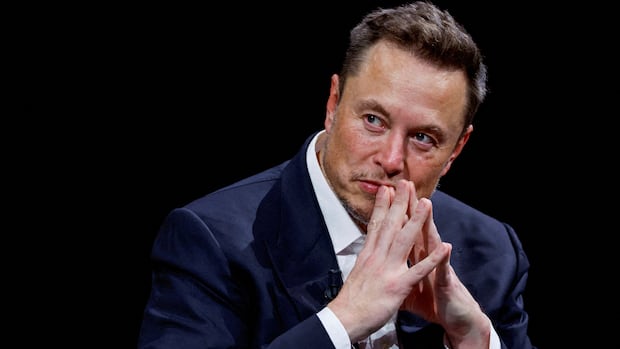

Advertisements for a documentary critically examining the controversial billionaire Elon Musk have reportedly faced bans on both TikTok and X. However, after some delays, they are currently running on YouTube and Meta’s social media channels.
The trailer for the nearly four-hour documentary Musk was released on Thursday, ahead of its theatrical debut scheduled for October 9.
On Friday, a report from the Hollywood Reporter indicated that indie distributor Bleecker Street’s attempts to purchase advertisements for the film on all four platforms were declined. YouTube, TikTok, and Meta — the parent company of Facebook and Instagram — cited “political content” as the reason, while X, owned by Musk, did not provide any comments.
Following online criticism, YouTube announced on Saturday that advertisements for Musk are now live on its platform.
“YouTube stated through its updates account on X, ‘When submitted as an ad, it was temporarily restricted by our system. Following review, the ad has been cleared to run.’
A representative from Meta informed CBC News on Monday that the ads “were rejected in error and have been restored,” but provided no further details.
Bleecker Street, TikTok, and X did not respond to requests for comments.
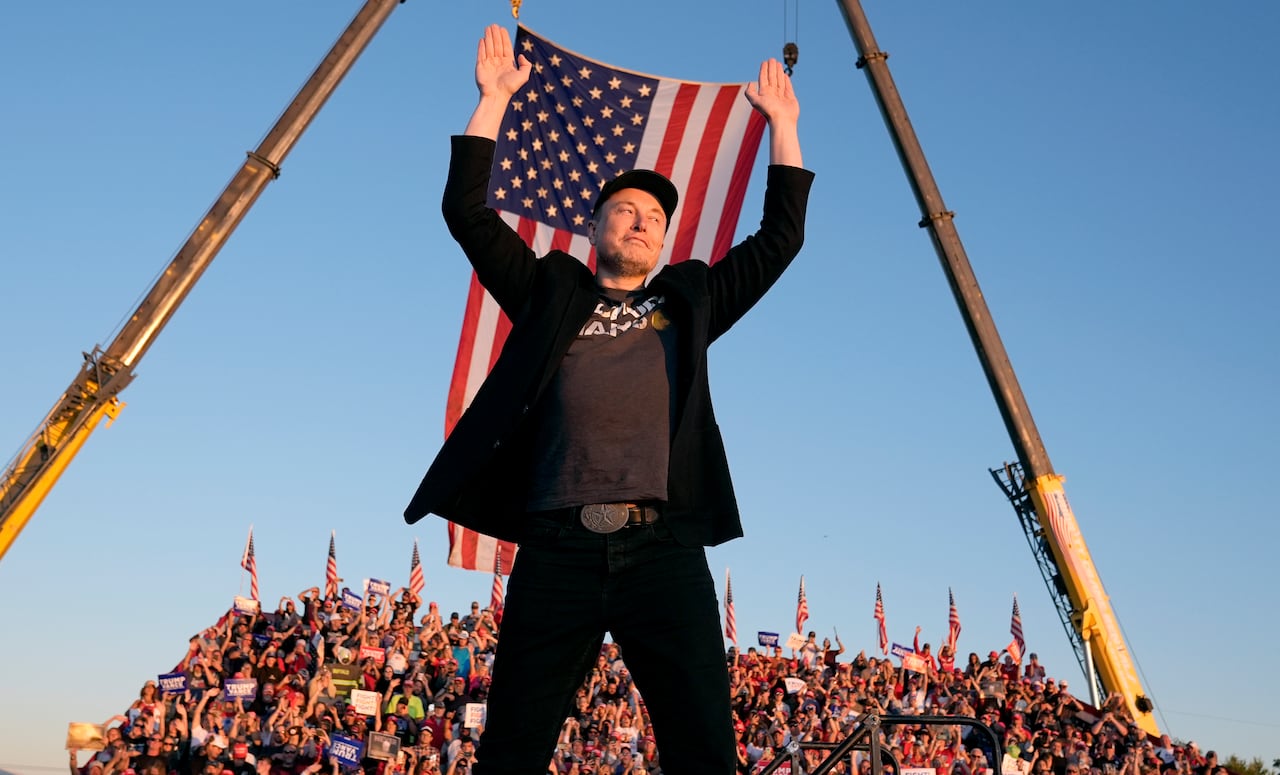
Elon Musk is shown in a still from Alex Gibney’s documentary Musk. (The Canadian Press/Handout – TIFF)
TikTok does not allow paid political advertisements, and Meta has restrictions in specific areas like the European Union. YouTube permits political ads as long as they include transparency disclosures, and X allows them in regions such as the United States.
Musk’s political visibility increased significantly when he supported U.S. President Donald Trump’s re-election campaign in 2024 and later joined his administration as the head of the budget-cutting Department of Government Efficiency. Although he has since departed from the administration, he continues to be a polarizing and vocal figure.
While Musk‘s trailer features short clips from his campaign appearances, it remains uncertain how this would classify it as the kind of campaign advertisements that fall under the platforms’ restrictions.
The film explores how the world’s wealthiest individual has purportedly sought to control online discourse, examining his acquisition of Twitter, now known as X, and allegations that Musk may have improperly influenced the 2024 election through his Starlink satellites, despite his claims of supporting free speech.
‘Censorious platforms’
After YouTube and Meta confirmed the ads were approved, director Alex Gibney remarked that “public pressure worked.”
“The censorious platforms backed down,” he stated on Saturday on X.
Gibney later shared a quote from a 2022 Musk press release regarding his Twitter acquisition, where Musk claimed, “free speech is the bedrock of a functioning democracy, and Twitter is the digital town square where matters vital to the future of humanity are debated.”
“Will X allow ads for the trailer for my film ‘Musk,’ about the self-proclaimed ‘free-speech absolutist?'” he questioned.
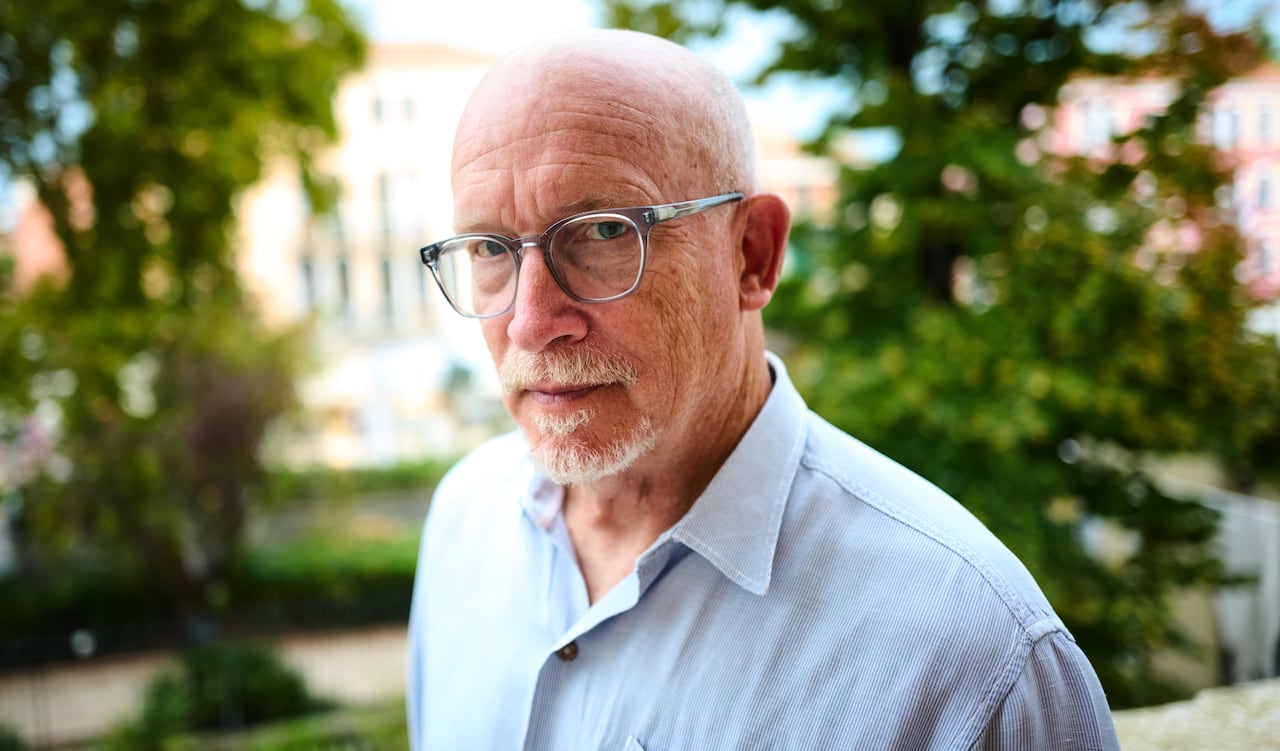
Gibney poses for a photo during the 83rd edition of the Venice Film Festival in Venice, Italy, on Sept. 9. (Scott A Garfitt/Invision/The Associated Press)
Since Gibney announced his plans for the film in 2023, Musk has continuously labeled it a “hit piece.”
He described Gibney as “a horrible human” and “a bitter old man who lost the plot long ago” on X following the film’s premiere at the Venice Film Festival earlier this month. Additionally, he has allegedly threatened legal action against the production over insinuations regarding the Starlink satellites.
Critics have widely praised the film.
-
Justice Department under Trump asks EU to scrap $137M US fine for Elon Musk’s X
-
Elon Musk calls documentary about him a ‘hit piece’ after buzzy debut
-
Tesla being investigated after car drives into home, killing 76-year-old woman
Vulture, the arts section of New York magazine, described it as a “damning” depiction of Musk that left the reviewer “terrified at how much money and power he’s accrued,” while the publication Variety characterized it as a “lacerating portrait of technocratic brilliance, power lust, and crackpot delusion.”
Musk is not the only tech billionaire being scrutinized this year. Aaron Sorkin’s dramatized film The Social Reckoning, which focuses on Mark Zuckerberg as a sequel to the 2010 film The Social Network, is set for release by Sony next month.

Elon Musk’s SpaceX has revealed plans to go public with what is expected to be the largest initial public offering in Wall Street history. As the majority shareholder, the world’s richest man could, through the offering, become the first-ever trillionaire.