
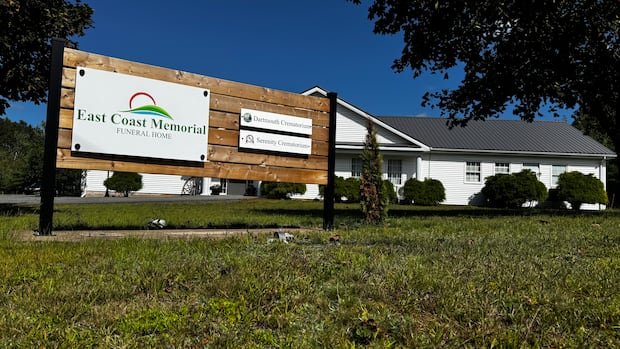

Families in Nova Scotia’s Annapolis Valley are facing uncertainty as it was revealed that the ashes they thought belonged to their loved ones may not be accurate. Despite hopes of using DNA testing to confirm the identities, an expert suggests that the process might not provide definitive results.
Following the acquisition of the former Serenity Funeral Home by new owners, several families were notified that the ashes of their deceased relatives had been discovered in storage.
One of the affected families is that of Michelle Carey, who used Serenity’s services for her father’s funeral in 2018. Carey expressed skepticism about the possibility of ever confirming the true identity of the remains they recently buried.
Dean Hildebrand, overseeing the forensic DNA lab at the British Columbia Institute of Technology, explained the challenges of extracting enough DNA from ashes for positive identification.
Although some traces of DNA may be found in ashes, Hildebrand emphasized the difficulty of utilizing such trace amounts effectively for identification purposes.
He highlighted the resilience of DNA in various scenarios but pointed out that the extreme conditions of a crematorium can result in the complete breakdown of organic matter.
Hildebrand acknowledged the complexity of the situation, given the substantial number of mixed-up remains reported by the new owners of Serenity Funeral Homes, East Coast Memorial.
Despite the low probability of successful identification, Hildebrand did not rule out the possibility entirely.
He suggested that testing should still be conducted, as even a small bone fragment could potentially yield valuable DNA information.
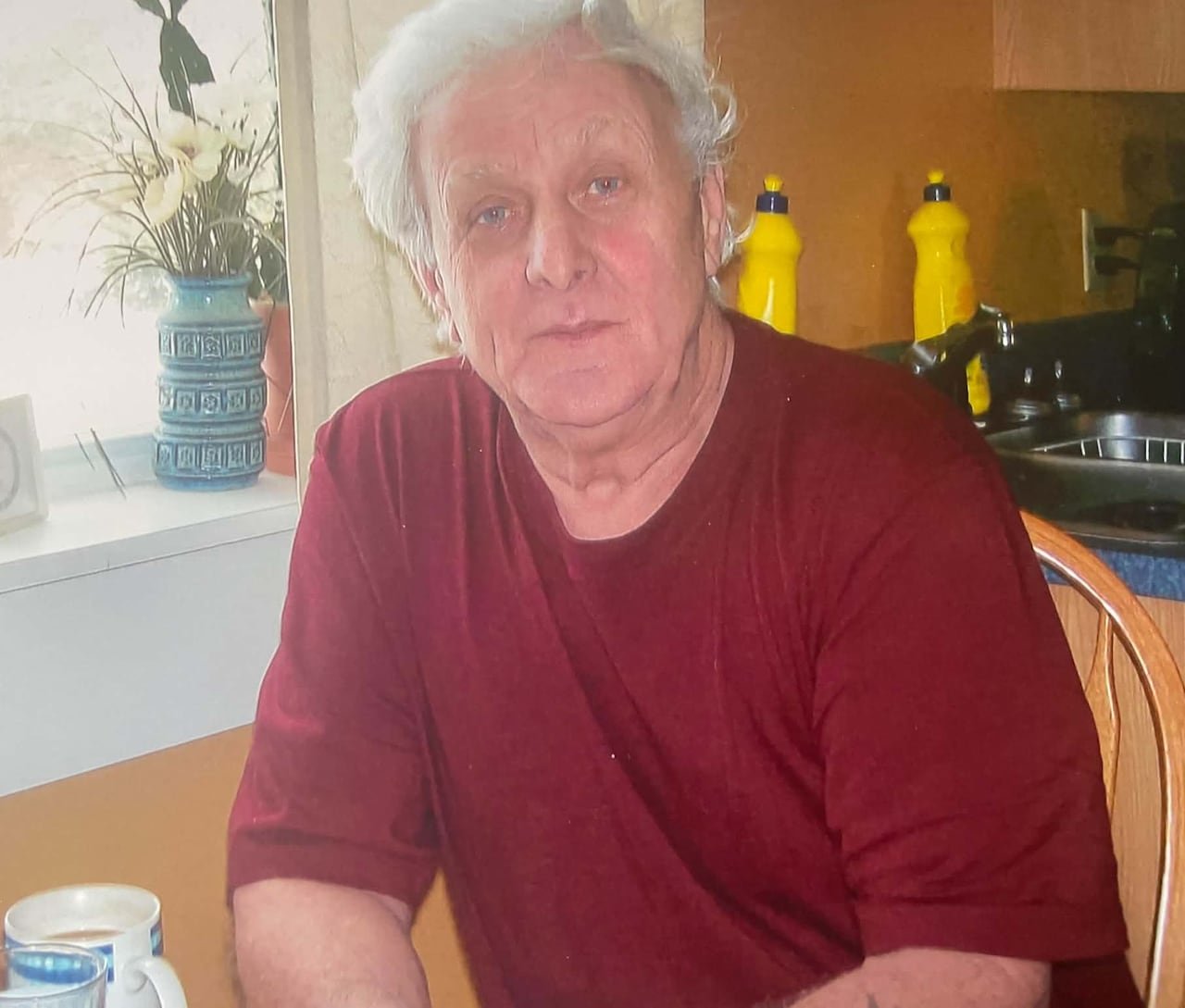
Hendrik (Hank) Sabean was 67 when he died in 2018. He had specific wishes for his funeral arrangements, which included dealing with Serenity Funeral Home for the service and burial of his ashes. (Amanda Sabean)
Carey mentioned that it was suggested the buried ashes might contain a metal disc with an ID number for potential identification.
However, relying on this ID number may be the only viable option to determine the actual identity of the remains interred in 2018.
The province and the regulatory