
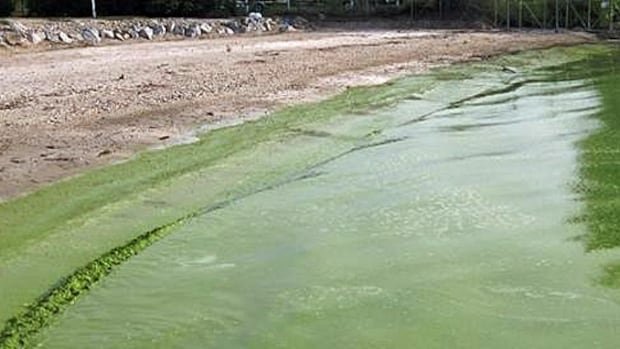

Blue-green algae in Alberta is under close observation by researchers, with a new website enabling the public to track the presence of toxic algal blooms at six lakes. The Algal Bloom Tracker utilizes satellite imagery and lake sampling to offer near real-time updates on a user-friendly map. Rolf Vinebrooke, a key figure in the project, highlighted that the map is regularly updated through satellite scans of Alberta lakes, providing comprehensive views of the bloom nature and areas to avoid.
Cyanobacteria, commonly known as blue-green algae, can proliferate in nutrient-rich Alberta lakes during the summer, forming distinct green scum with potential health hazards. Some strains can produce toxins harmful to the liver and nervous system. The dynamic nature of these blooms necessitates continuous monitoring, which is facilitated by satellite technology, allowing for closer tracking than traditional methods.
The Algal Bloom Tracker, a prototype initiated in 2017, currently focuses on six lakes, including Ethel Lake, Lac La Biche, Nakamun Lake, Pigeon Lake, Sylvan Lake, and Wabamun Lake. These lakes were selected to represent varying bloom frequencies, from Sylvan Lake with rare blooms to Lac La Biche with frequent occurrences. Future plans involve expanding the tracker to approximately 50 lakes across Alberta within three years.
Alberta Health Services issues health advisories when excessive blue-green algae levels are detected in lakes, with over 25 advisories currently active in the province. The Algal Bloom Tracker operates independently from AHS, serving as a resource for the public to make informed decisions regarding water activities. It aims to assist in understanding the patterns and impacts of algal blooms on recreation, tourism, property values, and Indigenous communities in Alberta.