

Canada and the United States are in a deadlock over tariff negotiations as the deadline set by President Donald Trump approaches. Sources familiar with the discussions revealed that Canadian officials are dissatisfied with the latest proposal put forward by the U.S., which falls short of the reductions Canada is seeking in sectoral tariffs.
Both sides have been engaged in ongoing talks to broker a deal before the looming deadline of August 19, when Trump has threatened to impose hefty tariffs on numerous Canadian products in addition to the existing sectoral tariffs. The U.S. is pushing for preferential access to critical minerals in Canada, along with discussions on security and energy matters.
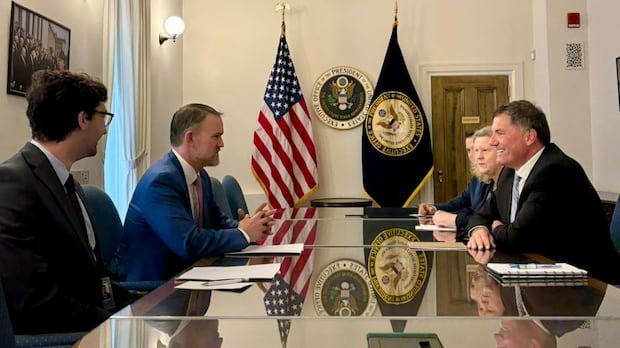
Canadian Trade Minister Dominic LeBlanc has been actively meeting with U.S. Trade Representative Jamieson Greer in Washington to find common ground. It was reported earlier that they are working towards presenting Trump with a potential trade agreement. Canadian officials have argued vehemently that if the August 19 tariffs are imposed, there would be little appetite from Canadians to continue negotiations.
Daily meetings are scheduled between the two sides leading up to the deadline, with efforts focused on averting the imposition of new tariffs and seeking relief from existing U.S. tariffs on Canadian steel, aluminum, lumber, and automobiles. Additionally, Canada is hopeful that the talks will pave the way for the renewal of the Canada-U.S.-Mexico Agreement (CUSMA) after the Trump administration declined to extend the deal beyond 2036 last month.
Conservative Leader Pierre Poilievre has urged a strong stance in negotiations, emphasizing the need for a comprehensive deal that includes zero tariffs on softwood lumber, an end to sectoral tariffs on steel and aluminum, a tariff-free auto pact, and exemptions to Buy America rules. There are indications that Canada is willing to make concessions, such as ending alcohol bans, in exchange for tariff relief.
As discussions continue, both countries are navigating complex trade issues and striving to find common ground before the tariff deadline.