
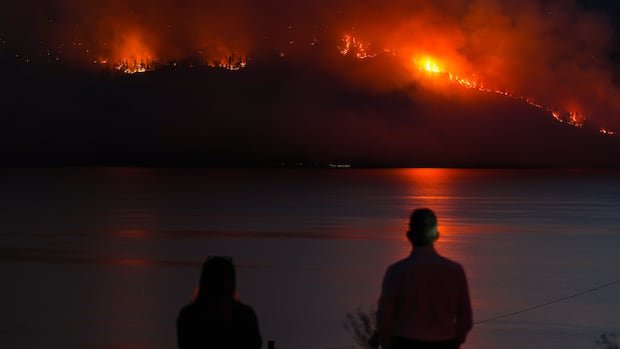

A significant Pacific Ocean warming event known as “super” El Niño or “Godzilla” El Niño has emerged, causing disruption to global weather patterns. This occurrence coincides with record-breaking heat in North America and Europe during July, resulting in heatwaves, fatalities, dried-up water sources, and widespread wildfires, including in Canada.
Although the scorching summer aligns with the return of El Niño, climate scientists clarify that the phenomenon is not solely responsible for the extreme weather events. However, they warn that the combination of El Niño and human-induced climate change could intensify extreme weather conditions further.
El Niños occur naturally every few years, with this current event starting in spring and expected to continue into the following year. The warming of the Pacific waters triggers atmospheric changes, leading to a reversal of normal weather patterns with wet regions experiencing droughts and vice versa.
Experts anticipate that the ongoing El Niño could reach levels comparable to the strongest occurrences on record, such as those in 2015-16 and 1997-98. This event is set to impact various regions globally, including Canada, where a warmer winter and altered precipitation patterns are expected.
The effects of El Niño are already apparent in regions like Peru and Indonesia, where heavy rains, flooding, and wildfires are causing significant disruptions. Furthermore, El Niño’s influence on hurricane formation in the Atlantic and Eastern Pacific regions is noticeable, with more storms and depressions forecasted due to warmer ocean temperatures.
Amidst the ongoing climate crisis, the current El Niño event poses additional challenges, as the world grapples with the consequences of a warming planet. Scientists anticipate that the effects of this El Niño will extend well into 2027, requiring ongoing monitoring and adaptation to the changing climate patterns.