
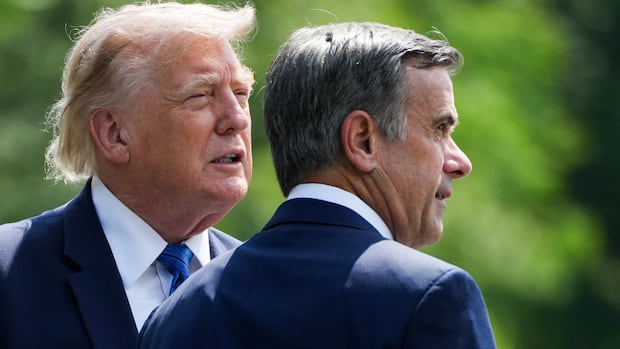

During a trip to Moscow, U.S. CIA Director John Ratcliffe engaged with Russian intelligence officials, although he did not have a meeting with President Vladimir Putin, according to a statement from the Kremlin on Wednesday. U.S. President Donald Trump characterized the visit as “semi-routine.”
Kremlin spokesman Dmitry Peskov informed journalists that Putin had received a briefing on the results of Tuesday’s discussions, which occurred amid the ongoing conflict in Ukraine and stalled efforts for a lasting peace between the United States and Iran.
Peskov refrained from disclosing specifics about the discussions or providing additional information.
“What I can share is that there have been interactions through the security services. I can confirm that there were no meetings with the Russian president. Naturally, President Putin is kept promptly informed of everything,” Peskov stated.
Visit’s purpose not disclosed
In a radio interview on Wednesday, Trump did not clarify the specific reasons for Ratcliffe’s trip to Moscow but suggested that the visit might yield beneficial outcomes.
“Something may come of it. We’re making significant efforts to bring an end to that war,” Trump told the Glenn Beck Program while referring to the conflict in Ukraine.
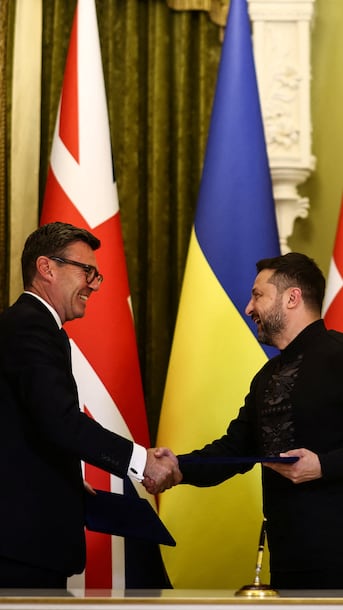
Britain’s Prime Minister Andy Burnham just visited Kyiv for the first time and announced that the country is essentially turning over blueprints for its Storm Shadow missiles. CBC’s Briar Stewart breaks down what the development means, and if it will help turn the tide in Ukraine’s fight against Russia.
When asked if the CIA director’s presence in Moscow was intended to address potential Russian actions regarding NATO military tests or sanctions against Iran, Trump replied: “None of the above. He’s there, you know, very sort of semi-routine.”
The last recorded visit by a U.S. CIA director to Moscow occurred when Ratcliffe’s predecessor, William Burns, met with Putin in November 2021, just three months prior to the onset of the full-scale conflict in Ukraine.
When questioned about whether visits by high-ranking U.S. officials could assist in enhancing the currently strained U.S.-Russia relations, Peskov remarked that interactions between the intelligence agencies of both nations were beneficial.
“These interactions often persist even during the toughest times in bilateral relations. Our president has, by the way, mentioned this. However, it remains too early to determine the extent to which this will ultimately help us navigate our bilateral relations out of the serious crisis they find themselves in at present,” he concluded.