
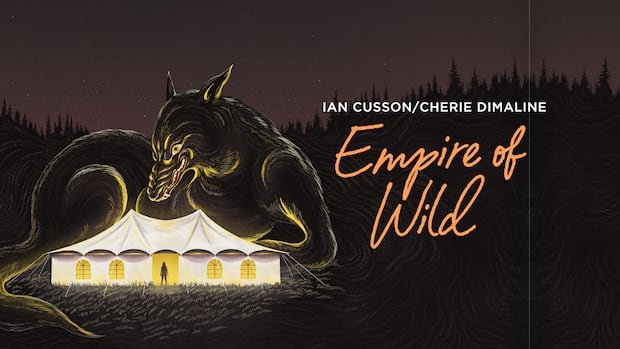

In the novel “Empire of Wild” by Cherie Dimaline, a trio of women spanning three generations grapple with freeing their loved one from the clutches of a werewolf-like entity known as the Rogarou. Their mission is twofold: to locate a missing husband and safeguard their territory from encroaching corporate interests. The narrative is characterized by its raw, alluring, and intense nature, earning it the prestigious title of Indigo’s top book in 2019, surpassing acclaimed works like Margaret Atwood’s “The Testaments” and Taylor Jenkins Reid’s “Daisy Jones & The Six.”
A substantial investment of around $4 million is currently underway to transform this Indigenous-themed novel into an opera, with plans for its world premiere set in Toronto next spring. This bold initiative aims to attract a younger demographic and opera novices while potentially challenging traditionalists who prefer the classical repertoire.
Set in the Georgian Bay Métis community of Penetanguishene, Ontario, where the author Dimaline hails from, “Empire of Wild” resonates with composer Ian Cusson, also rooted in the same region. Cusson recognized elements of the Rogarou from the tales his mother shared, finding familiarity in the characters and dialogues that echoed his upbringing.
The collaboration between Dimaline, who penned the libretto, and Cusson sought to craft contemporary characters relatable to present-day audiences. The narrative features diverse personas, including queer individuals and a blue-collar family grappling with extraordinary circumstances. The opera’s unconventional approach incorporates modern vernacular, including profanity and humor, defying conventional operatic norms and embracing a more dynamic and edgy storytelling style.
The protagonist, Joan, portrayed by Innu soprano Elisabeth St-Gelais, embodies relatable traits and struggles that resonate with younger viewers. Joan’s journey, marked by personal flaws and resilience, underlines the themes of power, resistance, and ancestral support that form the core of “Empire of Wild.”
The opera showcases a diverse cast, including talents like Kwagiulth and Stó:lō mezzo-soprano Marion Newman and Anishinaabe baritone Evan Korbut, embodying a rich tapestry of Indigenous storytelling. Through this production, Cusson and St-Gelais emphasize the importance of intergenerational wisdom and Indigenous resilience in confronting adversities.
“Empire of Wild” offers a unique narrative that intertwines Indigenous folklore with contemporary themes of survival and resistance. The opera’s creative team, led by Indigenous creators like Cree costume designer Jeff Chief and Algonquin director Yvette Nolan, aims to foster a collaborative and inclusive approach to artistic creation, inviting diverse voices and perspectives into the creative process.
This groundbreaking opera signals a transformative moment for Indigenous representation in the arts, reflecting a broader societal shift towards embracing Indigenous perspectives across various disciplines. Cusson envisions this inclusive approach to artistry as a model to be adopted by opera companies worldwide, advocating for an egalitarian and inclusive creative environment that values and amplifies diverse voices.