
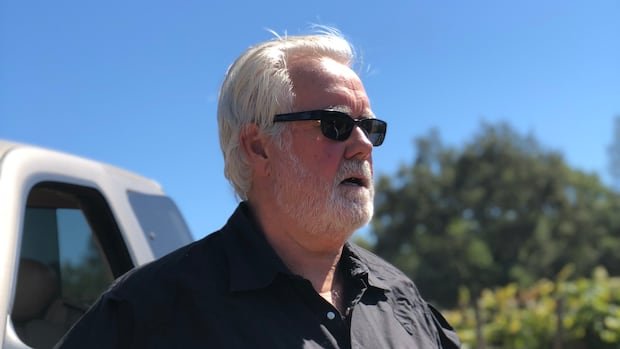

Bill Easton used to have regular wine shipments to Montreal from his winery in California’s Sierra Foothills. However, Quebec’s decision to ban American alcohol last spring disrupted this routine. Now, Easton pays $1,200 every four weeks to store his wine in a temperature-controlled facility, waiting for a resolution.
“We have wine specifically labeled for the Quebec market, sitting in a warehouse, waiting to be sold,” said Easton, the owner of Terre Rouge Wines in Plymouth, Calif.
The ban on U.S. alcohol by Canadian provinces has become a focal point in trade discussions, with winemakers feeling like pawns in international negotiations. They express confusion and frustration over being entangled in a trade dispute.
Easton expressed his sentiments, stating, “I think we’re being used as a tool for this negotiation. I’m not sure why we have this tariff battle going with Canada. We’re just farmers and winemakers selling wine to people who like what we do.”
Premiers reconsider U.S. alcohol ban
Most Canadian provinces halted the distribution of U.S. alcohol products in response to tariffs imposed by U.S. President Donald Trump. Prime Minister Mark Carney has urged provinces to revisit this decision to prevent new tariffs on Canadian goods.
Some premiers are open to lifting the ban if the terms are favorable, while others are cautious, not willing to give up leverage in the ongoing trade dispute.
-
‘A bad taste left in my mouth’: Will Canadians buy U.S. booze again?
-
If U.S. booze returns to shelves, ‘leave it there,’ Manitoba premier says
Manitoba Premier Wab Kinew stated, “The American president is weak. He’s threatening us, and I think we could gain more by standing our ground.” Despite considering lifting the ban, Kinew urged Canadians not to purchase U.S. alcohol.
The absence of California wines and other American spirits on Canadian shelves has irked Washington. Trump has linked this issue to his threat of imposing tariffs on Canadian goods.
Most