
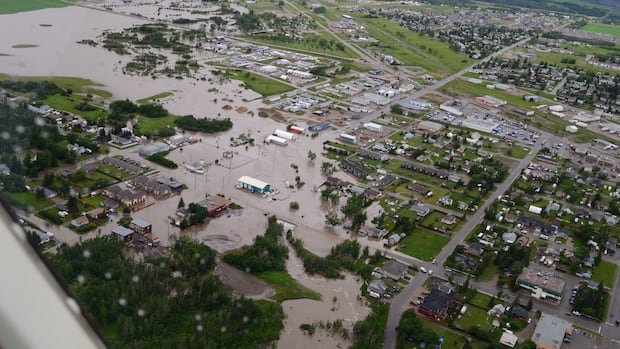

A recent study is predicting a warmer and wetter future for northeastern British Columbia, along with an increase in extreme weather events for communities that have endured significant natural disasters in the past decade. The report forecasts that average temperatures in the area could rise by up to three degrees by the 2050s and five degrees by the 2080s, leading to summers resembling those in the Okanagan and January feeling more like March temperatures.
According to researchers from the Fraser Basin Council, these changes will have wide-ranging effects on infrastructure like roads and water supplies, as well as on how communities prepare for floods, wildfires, and evacuations. The study, funded by the federal government and conducted on behalf of local governments and Indigenous communities in the region, highlights the need for proactive planning to address these challenges.
In recent years, northeastern B.C. has faced severe floods and wildfires, such as the Donnie Creek fire, the largest on record in the province. These events have displaced thousands of residents and caused significant disruptions that can take a long time to recover from, emphasizing the importance of adapting to the changing climate.
The City of Fort St. John has emerged as a sanctuary for individuals escaping wildfires, putting pressure on city staff and volunteers to provide support. City officials recognize the growing role they play in responding to emergencies and acknowledge the need to prepare for similar situations in the future.
The impact of warmer weather is already evident in Fort St. John, with more frequent freeze-thaw cycles causing damage to infrastructure. The region is expected to experience double the number of freeze-thaw days by 2080, necessitating proactive measures to mitigate the effects on city operations.
The report also raises concerns about water availability, with summers in northeastern B.C. projected to have longer growing seasons, intense heat waves, and reduced snowfall in spring and fall. This is likely to result in lower streamflows, more severe droughts, and increased pressure on water supplies, as seen in recent incidents like the water shortage in Dawson Creek.
As communities prepare for a changing climate, the need for resilient infrastructure and sustainable water management practices becomes increasingly urgent. Planning for these challenges and investing in adaptive measures will be crucial for ensuring the long-term well-being of northeastern B.C. residents.
Subscribe to CBC’s Fort St. John Weekly for the latest news and stories from the Peace and Northern Rockies regions.