
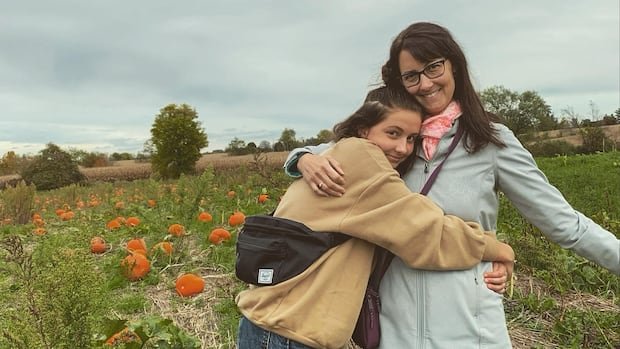

Madeline Buss, a resident of Vancouver, shares her personal experience in this First Person column. For additional details on CBC’s First Person stories, refer to the FAQ.
Upon leasing my first apartment, located 5,000 kilometers away from my mother, she was simultaneously admitted to the ICU. The juxtaposition left me grappling with feelings of inadequacy as a daughter.
My mother had been in and out of the hospital throughout that month, battling a myriad of health issues including multiple sclerosis, a history of bone cancer necessitating chemotherapy at a young age, as well as struggles with depression and anxiety. Just as I was finalizing the paperwork for my new residence, anticipating a call from her about the hospital food, it was my stepfather who delivered the unexpected news that a heart transplant was the best option for my mother.
While mechanically signing the lease, my mind was elsewhere. I spent the subsequent hours in a daze, gazing out of my Vancouver dorm room window and later found solace in silence during a car ride with a friend. The weight of not being by my mother’s side in Cambridge, Ont., gnawed at me.
Throughout my upbringing, I was often dubbed an “Old Soul,” a mantle worn by those perceived as mature beyond their years. This label, while apt in many ways, overlooked the unconventional dynamic of my relationship with my mother. Despite her health challenges, my mother remains the most important figure in my life.
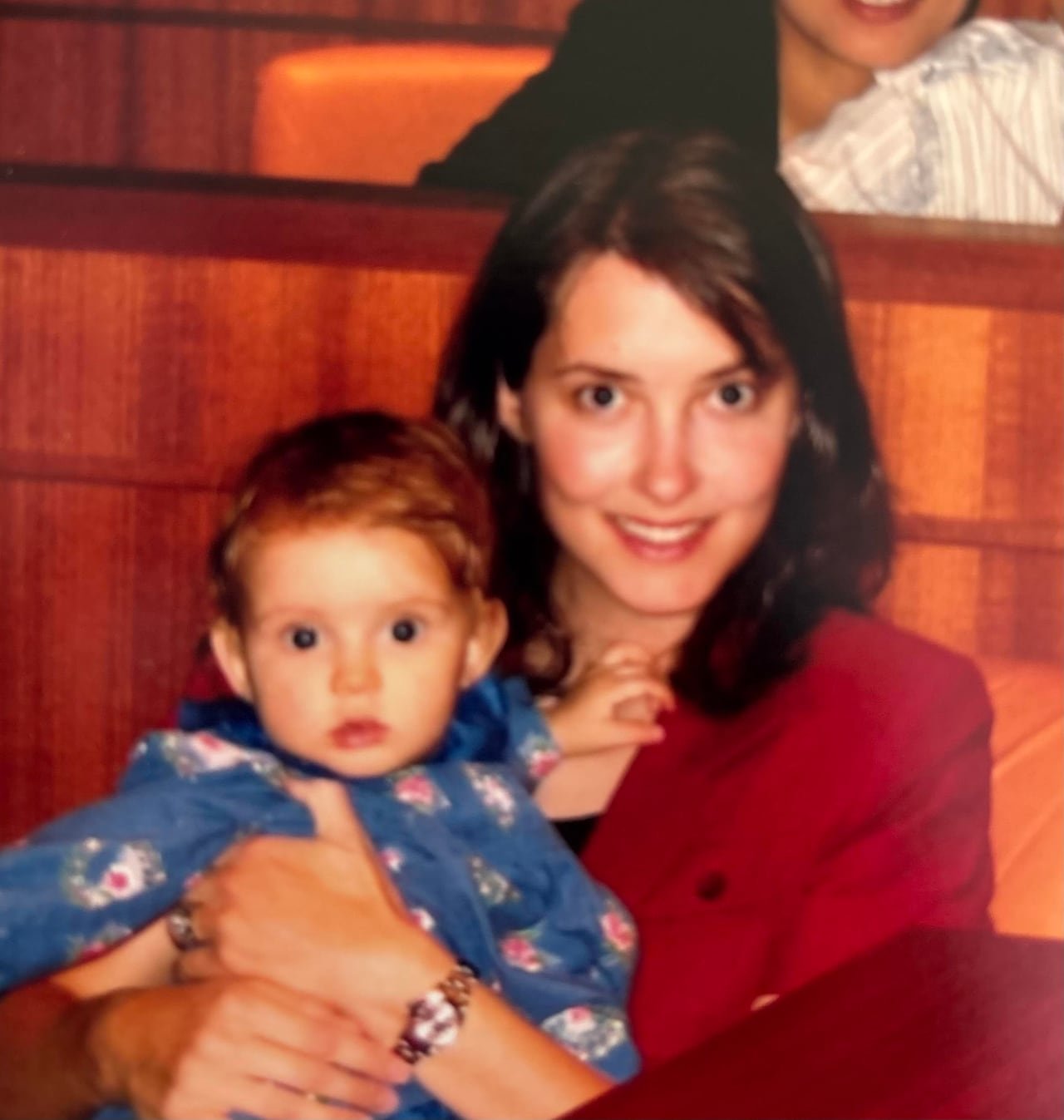
The period leading up to the COVID-19 pandemic marked a turning point in my caregiving responsibilities for my mother. As her health deteriorated, I assumed more roles, from household chores to emotional support, all while navigating my high school years. The decision to pursue my university education across the country felt like abandoning the anchor that had always supported me. However, my stepfather’s reassurance that my primary focus should be on self-care, rather than shouldering the burden of my mother’s well-being, provided a much-needed perspective shift.
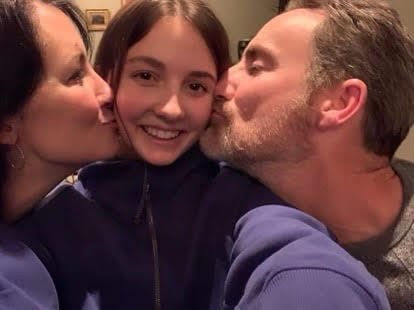
While caregiving remains a core part of my identity, I’ve come to realize the importance of reciprocation in relationships. Learning to accept support from others has been a profound lesson for me.
My mother, always supportive of my aspirations, encouraged me to pursue my dreams without delay. Despite the physical distance, our bond endures, albeit transformed by phone conversations and less frequent visits.
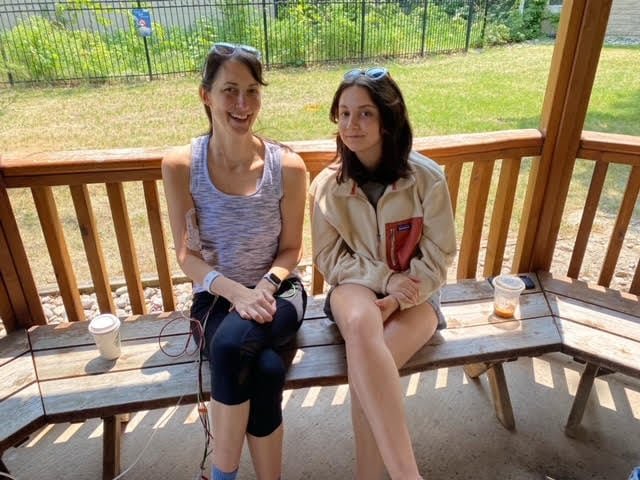
With my stepfather assuming caretaking responsibilities, the transition was challenging but necessary for