
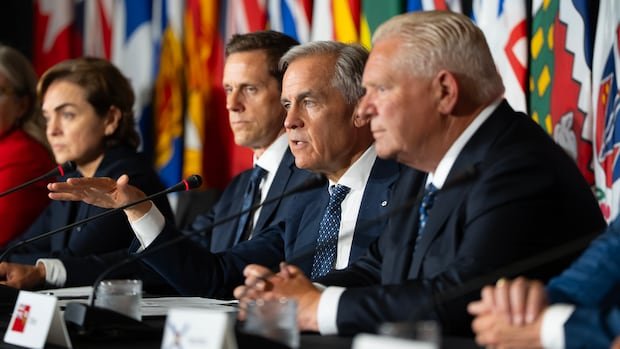

Concerns among Canadian negotiators are rising as they face the likelihood of new U.S. tariffs taking effect on Wednesday. Ottawa is in a challenging position, seeking relief from existing sectoral tariffs imposed by the U.S. while also working to persuade provinces to lift restrictions on American alcohol, according to sources familiar with the matter.
Multiple sources, both in Canada and the U.S., who have been briefed on the ongoing negotiations have highlighted the intensity of the talks. Canada’s Minister of Trade, Dominic LeBlanc, recently engaged in another round of discussions with U.S. Trade Representative Jamieson Greer on Sunday. This virtual meeting marked their third interaction in less than a week and lasted approximately an hour.
Ottawa’s recent focus has been on negotiating a comprehensive agreement with Washington. The primary objective is to persuade the Trump administration to abandon the impending 50 per cent tariffs on nearly $28 billion worth of Canadian goods, representing about five per cent of Canada’s exports to the U.S.
Central to this deal is the expectation for the Trump administration to reduce the existing sectoral tariffs that have been adversely affecting industries such as steel, aluminum, auto, and lumber. Currently, steel and aluminum face 50 per cent tariffs, while autos are subject to 25 per cent tariffs.
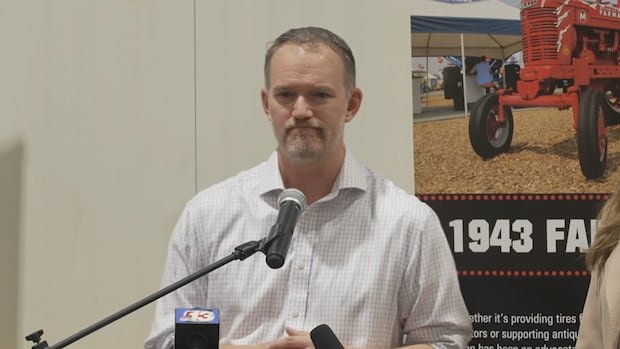
During a statement in Des Moines, Iowa, U.S. Trade Representative Jamieson Greer emphasized the challenges in trade relations with Canada, hinting at specific unresolved issues. Greer clarified that the current situation is not considered a trade war from the U.S. perspective but indicated zero tolerance for retaliation.
Sources indicate that the key to gaining provincial support for any agreement lies in pursuing a comprehensive deal that addresses the resumption of American alcohol sales in Canada. The Trump administration has made the reinstatement of U.S. alcohol sales in Canada a crucial element of the negotiations.
Despite efforts, the U.S. has not shown willingness to significantly reduce the existing sectoral tariffs, leading to substantial gaps in the discussions between the two nations. Provinces are reluctant to lift their bans on American alcohol until they receive relief on tariffs affecting their key industries, complicating the negotiation process.